Text (541) 485-0272

Gum Disease Treatment Eugene
Relief for Inflamed, Tender, or Bleeding Gums
Do you have gum disease? If so, you’re not alone. In fact, it’s estimated that roughly 50% of Americans are in the same boat. Without treatment, the infection can progress, increasing your risk of tooth loss in the process. That’s why it’s important to act quickly! The sooner you schedule an appointment, the better the chances are of us being able to eliminate the infection.
Why Choose College Hill Dental for Gum Disease Treatment?
- Laser Treatment for Faster Healing
- Blankets, Noise-Cancelling Headphones, & Other Amenities
- Compassionate Dentist Focused on Your Comfort
What is Gum Disease?
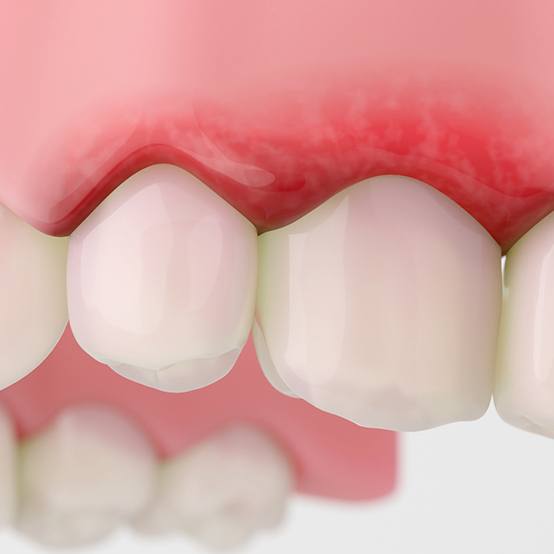
In short, gum disease is an infection that can wreak havoc on your teeth and gums. In the early stages, the symptoms are relatively minor, like tender gums. However, as we mentioned above, it can lead to tooth loss if it’s left alone to progress. For this reason, we recommend prioritizing your biannual visits and scheduling an appointment sooner if you suspect that something is wrong.
Symptoms of Gum Disease

There is a very high likelihood that you have gum disease if:
- Your gums seem like they are shrinking away from your teeth
- You bleed when you brush or floss your teeth
- Your breath is not as fresh as you would like it to be
- Your gums look inflamed, red, or swollen
If you notice one or more of the above, then contact us right away so we can determine if you’d benefit from gum disease treatment in Eugene.
How Do We Treat Gum Disease?

Fortunately, our team at College Hill Dental can help you manage and treat this chronic and potentially dangerous disease. In fact, we offer three solutions: scaling and root planing, antibiotic treatment, and laser periodontal therapy. To learn more about them, read on!
Scaling & Root Planing

Dangerous deposits of plaque and bacteria can live within your gums and accumulate on your teeth both above and below the gumline. When this occurs, a deeper cleaning known as scaling and root planing can help remove them, protecting your periodontal tissue and safeguarding the roots of your teeth from cavities, decay, and permanent loss due to gum disease.
Do I Need Scaling & Root Planing?
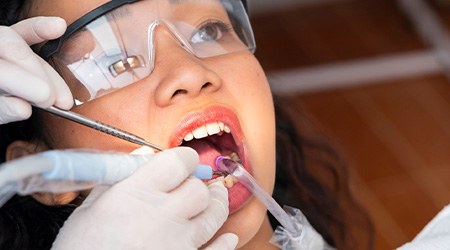
Have you noticed alarming changes in your oral health, such as bleeding when you brush and floss, receding gums, persistent foul breath, periodontal inflammation, or even noticeable deposits of plaque on your teeth? These could all be early indicators of gum disease and should be treated promptly before they result in permanent tooth and bone loss.
Although the earliest stage of gum disease (known as gingivitis) can often be reversed with an improved oral hygiene routine, if it has become too advanced, scaling and root planing could help save your smile
The Process of Scaling & Root Planing
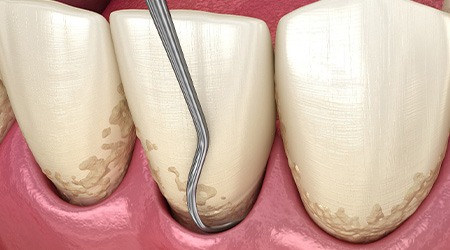
In most cases, scaling and root planing must be performed during two separate dental appointments: the first to remove the hardened deposits of plaque and tartar from the visible surfaces of the teeth, and the second to clear below the gumline and plane the roots of the teeth so your periodontal tissue can reattach and stop future bacteria from reinfecting your gums.
Aftercare Tips for Scaling & Root Planing

Because scaling and root planing can be a very intensive treatment, it is best to space out the steps a bit to allow your mouth a chance to heal. During this time, it is normal to experience some discomfort and sensitivity in the teeth and gums. To help make this more manageable, your dentist recommends the following:
- To soothe your gums and keep your mouth clean, rinse your mouth with warm saltwater after each meal. Simply mix ¼ teaspoon of salt to each eight ounces of warm water.
- Brush your teeth gently with a soft-bristled toothbrush. Use slow, circular motions instead of scrubbing back and forth to limit abrasion.
- Avoid foods that are excessively hot, spicy, or acidic and abstain from drinking alcohol until your mouth heals.
- Do not smoke, vape, or chew tobacco.
- Be sure to consume a soft, non-abrasive diet for the first 2 days after each appointment.
- Do not partake in any strenuous physical activity for at least 24 hours after each visit, as this can divert blood away from your gums and extend your recovery time.
Antibiotic Treatment

Often, we’ll supplement scaling and root planing with topical antibiotic therapy. This allows us to target bacteria in the deepest parts of your gum pockets, where even our advanced instruments cannot quite reach. We’ll administer a powerful antibiotic to these pockets. The medicine will gradually spread throughout your gum tissue to eliminate bacteria and greatly reduce the chance of the infection returning later.
Laser Periodontal Treatment

Dr. Paskalev uses a soft tissue laser to perform scaling and root planing. This concentrated light beam is able to remove diseased gum tissue with much greater precision than traditional instruments. It’s also much more comfortable, so much so that many of our patients don’t even need to be numbed with local anesthetic. Better yet, laser periodontal therapy reduces post-op bleeding and discomfort because it immediately cauterizes the tissue as it works.