 Text (541) 485-0272

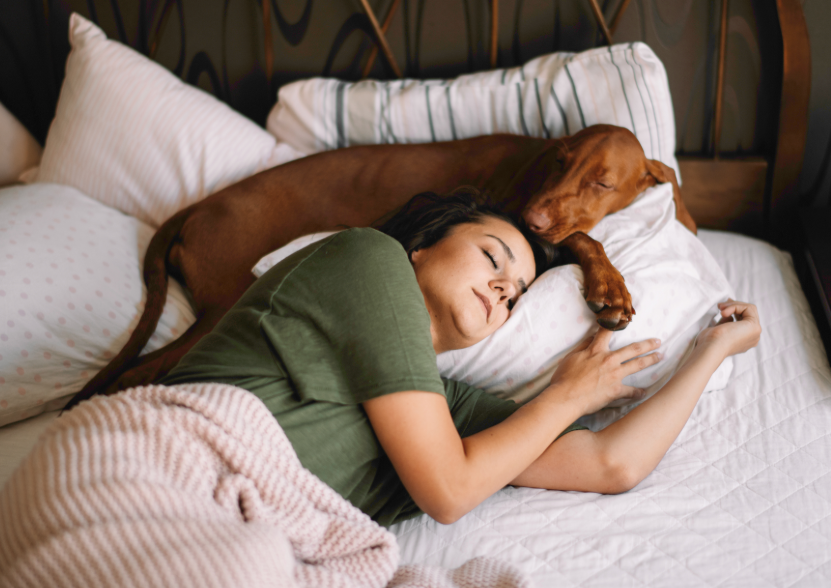
Few things are cozier than curling up in bed with your favorite furry companion. Whether your dog sleeps at your feet or your cat claims the pillow beside you, sharing your bedroom can feel comforting. But if you have obstructive sleep apnea, could your pet be affecting your sleep quality?
The answer is a little complicated. Pets don’t directly cause obstructive sleep apnea, but they can influence how well you sleep. Understanding the potential connection can help you decide whether your nighttime snuggle routine is working for you.
Can Sleeping With Your Pet Affect Sleep Apnea?
Obstructive sleep apnea (OSA) occurs when the muscles and soft tissues in your throat relax during sleep, partially or completely blocking your airway. These interruptions can repeatedly wake you throughout the night, even if you don’t remember them.
There’s currently no strong evidence that sleeping with a pet directly causes or worsens OSA. However, pets can disrupt sleep through movement, noise, or changes in your sleeping position. If you’re already struggling with interrupted sleep, these additional disturbances may leave you feeling even more tired during the day.
Research on pets and sleep quality has produced mixed results. Some people find their pets comforting, while others experience more nighttime disruptions. Your experience may depend on your pet’s habits, your sleeping arrangements, and your individual health needs.
How Pets May Affect Your Sleep Quality
Even if your pet doesn’t directly affect your sleep apnea, a few factors are worth considering.
Nighttime Movement and Noise
Dogs may change positions, scratch, bark, or move around during the night. Cats can be particularly active when you’re trying to sleep. These disturbances may interrupt your rest without fully waking you or leaving you with a clear memory of being disturbed.
If you already experience daytime fatigue from sleep apnea, fragmented sleep can make it even harder to feel refreshed.
Allergies and Airway Irritation
Pet dander can trigger allergic reactions in sensitive individuals. Symptoms such as nasal congestion, sneezing, and inflammation may make breathing through your nose more difficult.
Although allergies don’t directly cause every case of sleep apnea, nasal congestion can contribute to breathing difficulties during sleep. If you notice that your symptoms worsen when your pet sleeps in your bed, reducing your exposure to allergens may help.
Comfort and Emotional Benefits
There’s a positive side, too! Many people find that sleeping near their pets provides companionship, comfort, and a sense of security. If your pet helps you relax without disrupting your rest, sharing a bedroom may work perfectly well for you.
The goal isn’t necessarily to banish your furry friend from the bedroom. It’s to find a sleeping arrangement that supports your health and comfort.
Should You Keep Your Pet Out of the Bedroom?
If you’re concerned about your sleep quality, try having your pet sleep in their own bed nearby rather than sharing yours. You can also wash bedding regularly, keep your bedroom clean, and discuss persistent allergy symptoms with your healthcare provider.
Most importantly, don’t rely on changing your sleeping arrangements to treat sleep apnea. If you snore loudly, wake up gasping, or experience excessive daytime sleepiness, ask your healthcare provider about a sleep evaluation.
Can Dental Treatment Help With Sleep Apnea?
Depending on your diagnosis, treatment options may include continuous positive airway pressure (CPAP) therapy or a custom oral appliance. These dental devices reposition the jaw to help keep the airway open during sleep and may be appropriate for certain patients.
A qualified dental provider can help determine whether oral appliance therapy is suitable for your needs. With proper treatment, you can work toward more restful nights, whether your pet sleeps beside you or in their own cozy bed.
About the Practice
College Hill Dental in Eugene, Oregon, is led by Dr. Ivan Paskalev, an experienced dentist who has practiced in three countries and worked in several roles within dentistry. He earned his initial dental degree from the Medical University–Sofia in Bulgaria and a second dental degree from Tufts University, graduating third in his class. Dr. Paskalev is a Diplomate of the American Board of Dental Sleep Medicine and is committed to finding minimally invasive, long-term solutions for his patients. He helps patients explore sleep apnea treatment options, including dental appliances when appropriate .
Call us at (541) 485-0272 or schedule your appointment online