 Text (541) 485-0272

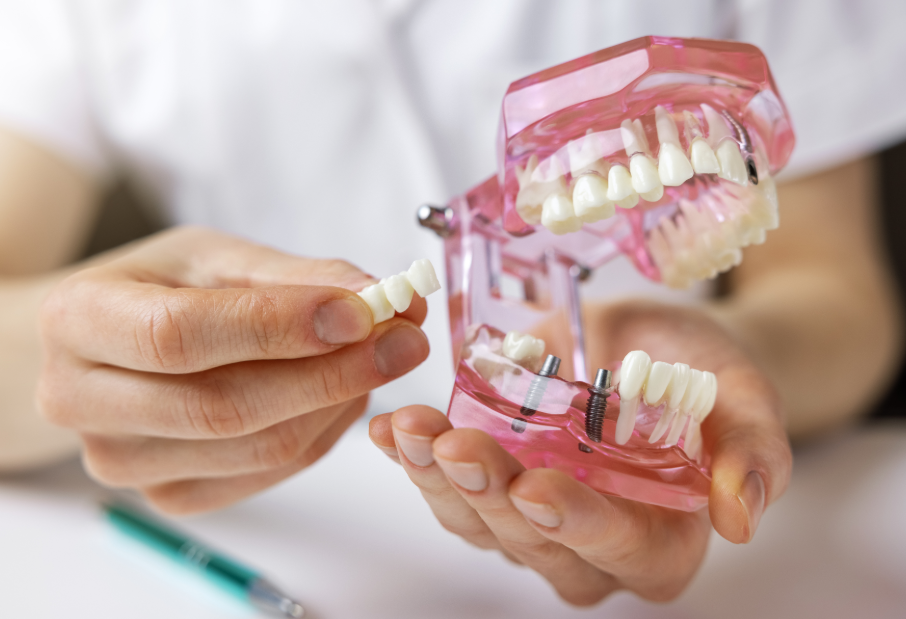
A dental bridge can be an excellent way to replace one or more missing teeth, restoring your ability to chew comfortably and helping keep your smile complete. With proper care and maintenance, a dental bridge may last for many years, potentially even up to 15 years. However, like any dental restoration, bridges can eventually experience problems. Understanding what could cause a dental bridge to fail can help you protect your investment and recognize potential issues early.
Poor Oral Hygiene
Even though a dental bridge isn’t a natural tooth, the teeth and tissues surrounding it still need careful attention. Plaque and bacteria can accumulate around the bridge, particularly underneath the replacement tooth and along the gumline.
Without regular brushing and flossing, this buildup can contribute to tooth decay and gum disease in the supporting teeth. Since these teeth help hold the bridge in place, keeping them healthy is essential for the stability of your restoration.
Tooth Decay in Supporting Teeth
Traditional dental bridges are typically anchored to natural teeth on either side of the gap. If one of these supporting teeth develops significant decay, it may no longer be strong enough to support the bridge.
Regular dental visits can help your dentist identify cavities or other problems before they compromise the restoration. Treating issues early may help prevent more extensive damage.
Gum Disease
Healthy gums provide important support for the teeth surrounding your bridge. Gum disease can cause inflammation, infection, and eventually loss of the bone and tissue supporting your teeth.
If gum disease affects one of the teeth supporting a bridge, the restoration may become loose or unstable. Maintaining good gum health is therefore just as important as caring for the bridge itself.
Damage or Excessive Force
Dental bridges are designed to withstand normal chewing, but excessive force can damage a restoration. Biting down on very hard foods or objects, chewing ice, or using your teeth to open packages can put unnecessary stress on the bridge.
Teeth grinding and clenching can also place considerable pressure on dental restorations. If you grind your teeth at night, ask your dentist whether a custom mouthguard could help protect your bridge and natural teeth.
An Improper Fit or Bonding Problem
Sometimes, a bridge can become loose because of an issue with its fit or the material used to attach it. If you notice movement, sensitivity, discomfort when chewing, or a change in how your bite feels, don’t ignore it.
A loose bridge doesn’t necessarily mean the restoration has to be replaced. Your dentist can evaluate the bridge and determine whether it can be repaired, recemented, or needs to be replaced.
How Can You Protect Your Dental Bridge?
Good daily hygiene, regular dental visits, and avoiding habits that put excessive stress on your teeth can all help extend the life of your bridge. Your dentist can also show you how to clean beneath and around the restoration effectively.
Taking care of your bridge is an important part of protecting your smile and your investment.
About the Practice
Dr. Ivan Paskalev of College Hill Dental provides comprehensive dental care focused on helping patients maintain healthy, functional, and confident smiles. Our Eugene based practice offers restorative dentistry solutions for patients with missing teeth, including dental bridges and other tooth-replacement options. We work with patients to create personalized treatment plans designed around their oral health needs and long-term goals.
Call us at (541) 485-0272 or schedule your appointment online